Artists and scientists share a common source of inspiration:
the wonder and awe they feel about reality.
This, in itself, is poetic and evokes poetic emotions.
Physicist Richard Feynman said,
“The fun of looking at the water in a puddle on the street or in a bathtub is what makes a child a physicist.”
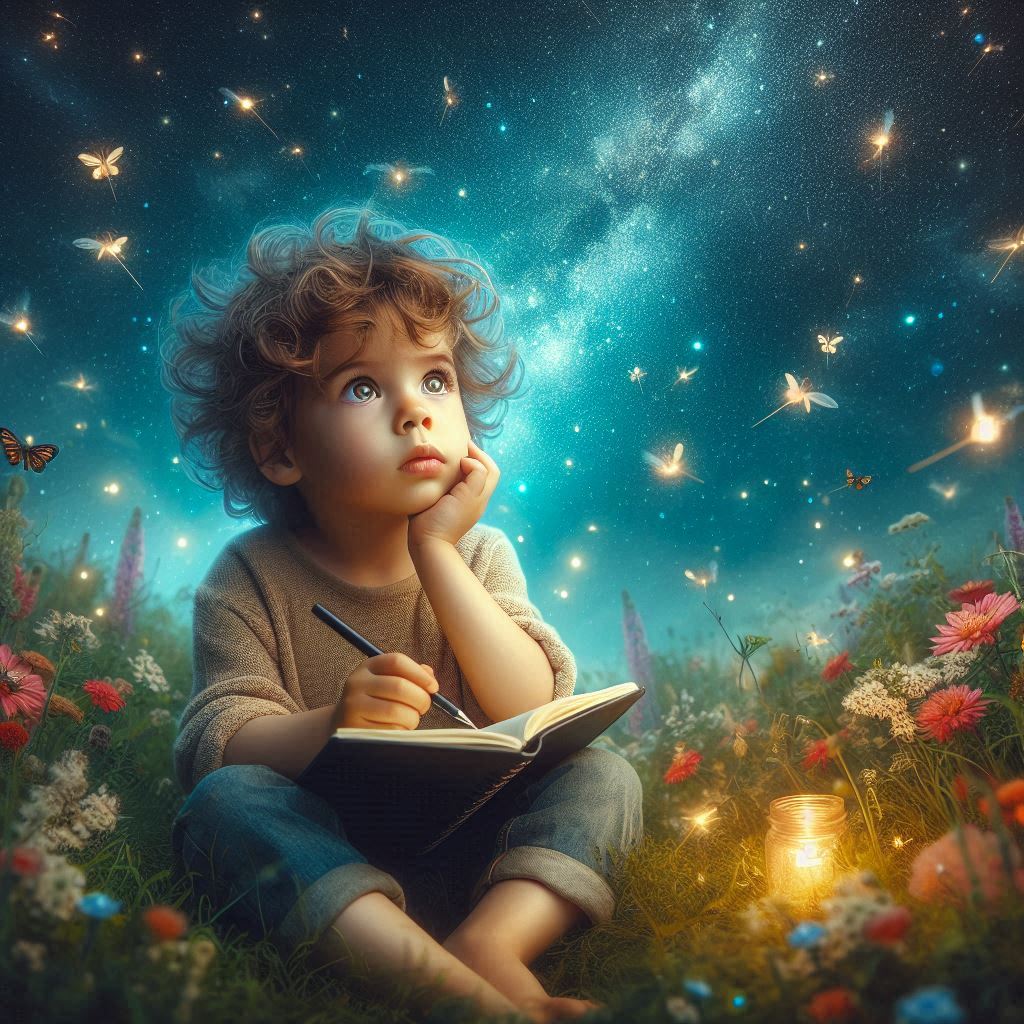
A child who finds joy in looking at a puddle of water is already both a poet and a physicist.
Such sensitivity—feeling joy, wonder, and awe in things that seem trivial to others—unexpectedly brings about inspiration.
When this inspiration leads to the humanities, the child becomes a poet.
When it connects to mathematics, the child becomes a physicist.
Such children may one day create timeless masterpieces
and, in the future, earn a place among Nobel Prize winners.
 ZENTEL